The Vanity Fair photographer who sparked an uproar with his close-up portraits of President Trump’s inner circle has revealed why he chose not to edit a snap of Karoline Leavitt’s lips.
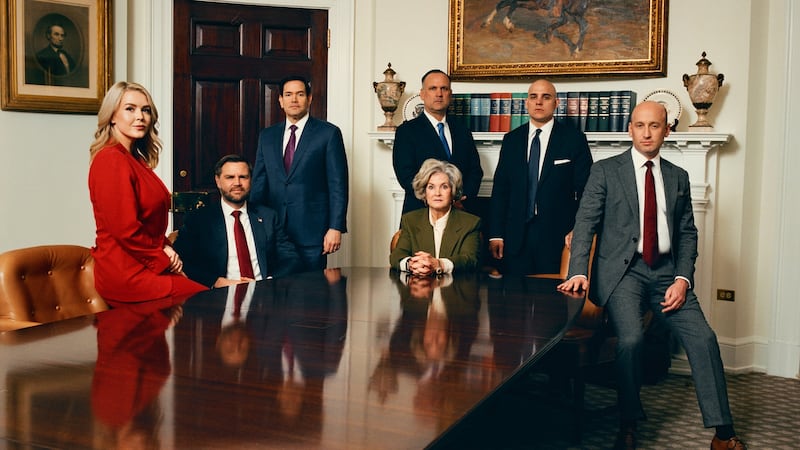
Christopher Anderson’s photos featured alongside an unusually candid two-part story by Chris Whipple published on Vanity Fair on Tuesday. In the two-parter, Trump’s usually reserved chief of staff Susie Wiles rattled off anecdotes about the president’s closest allies, including Vice President JD Vance, Secretary of State Marco Rubio, White House deputy chief of staff Stephen Miller, and Leavitt, Trump’s top mouthpiece.

The accompanying snaps created a furor almost as big as Wiles’ damning observations (she said Trump has “an alcoholic’s personality” and called Vance a longtime “conspiracy theorist.”)
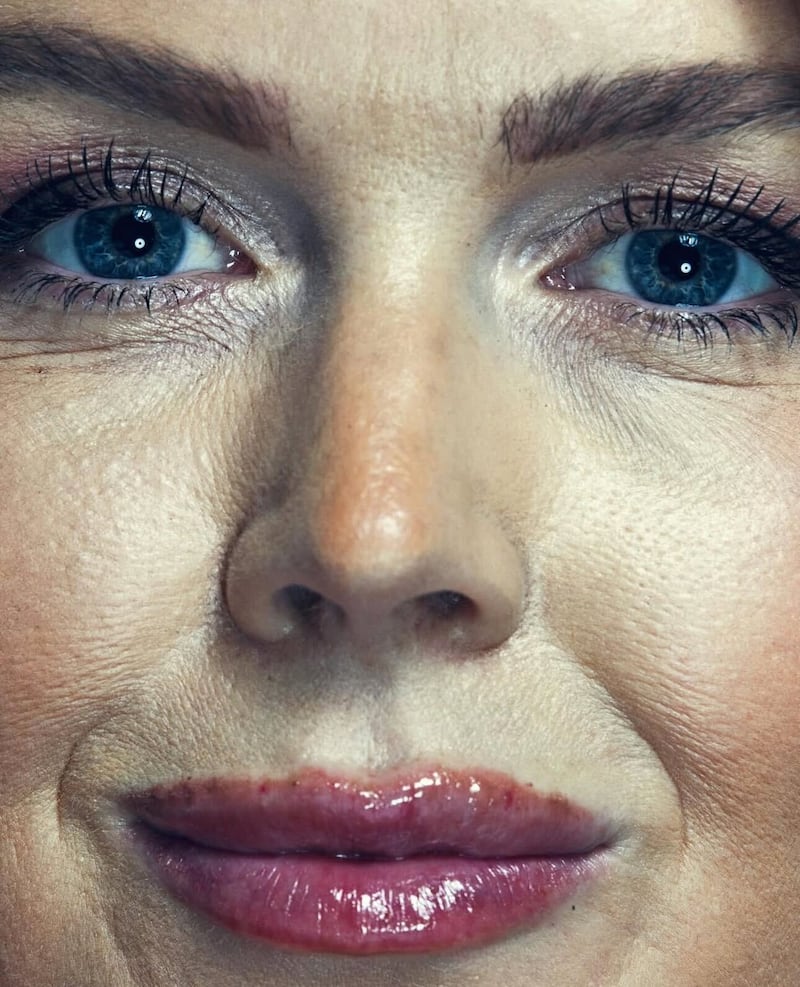
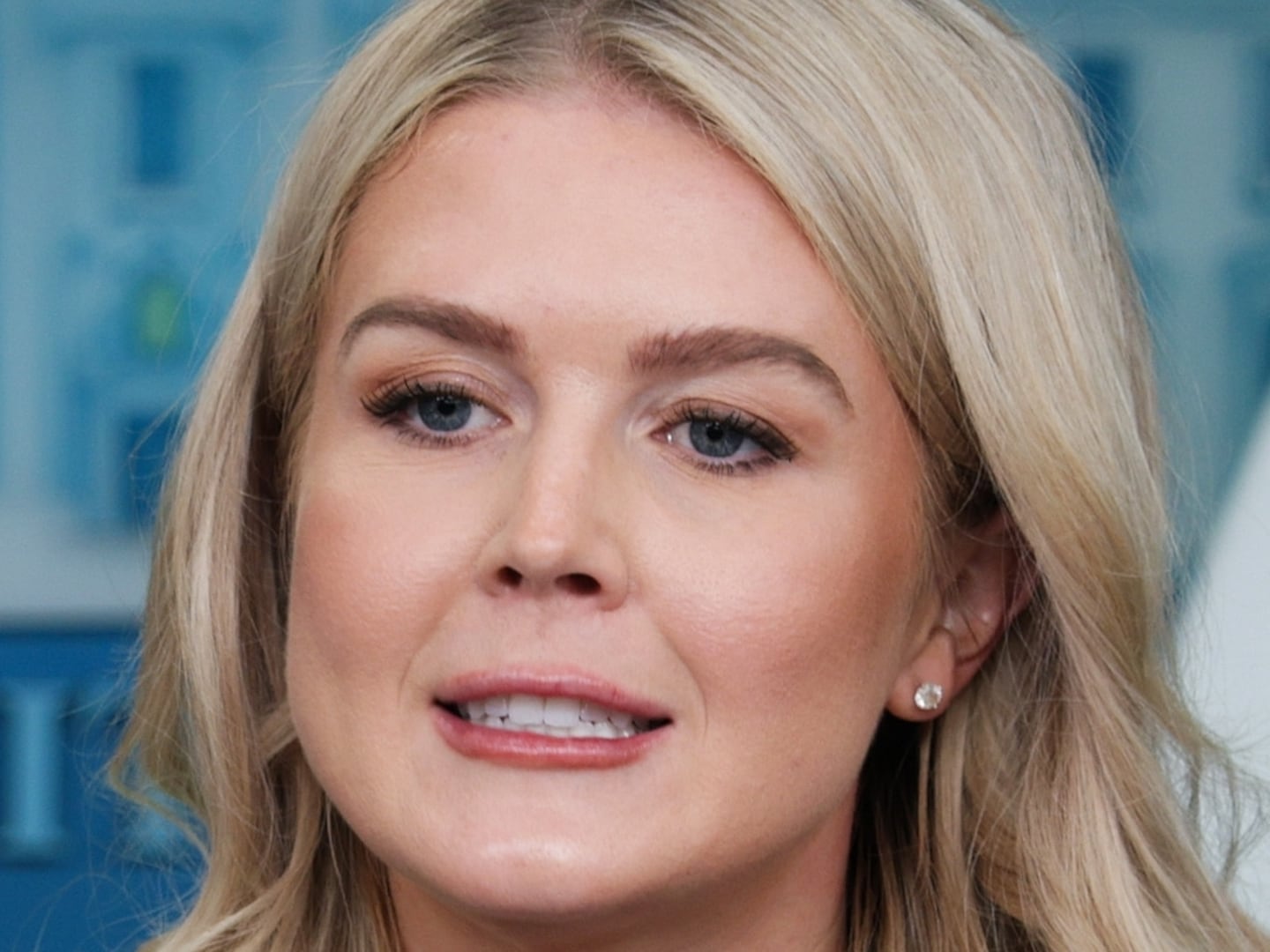
But Anderson defended himself in a chat with The Washington Post. “I didn’t put the injection sites on her. People seem to be shocked that I didn’t use Photoshop to retouch out blemishes and her injection marks. I find it shocking that someone would expect me to retouch out those things,” he said.
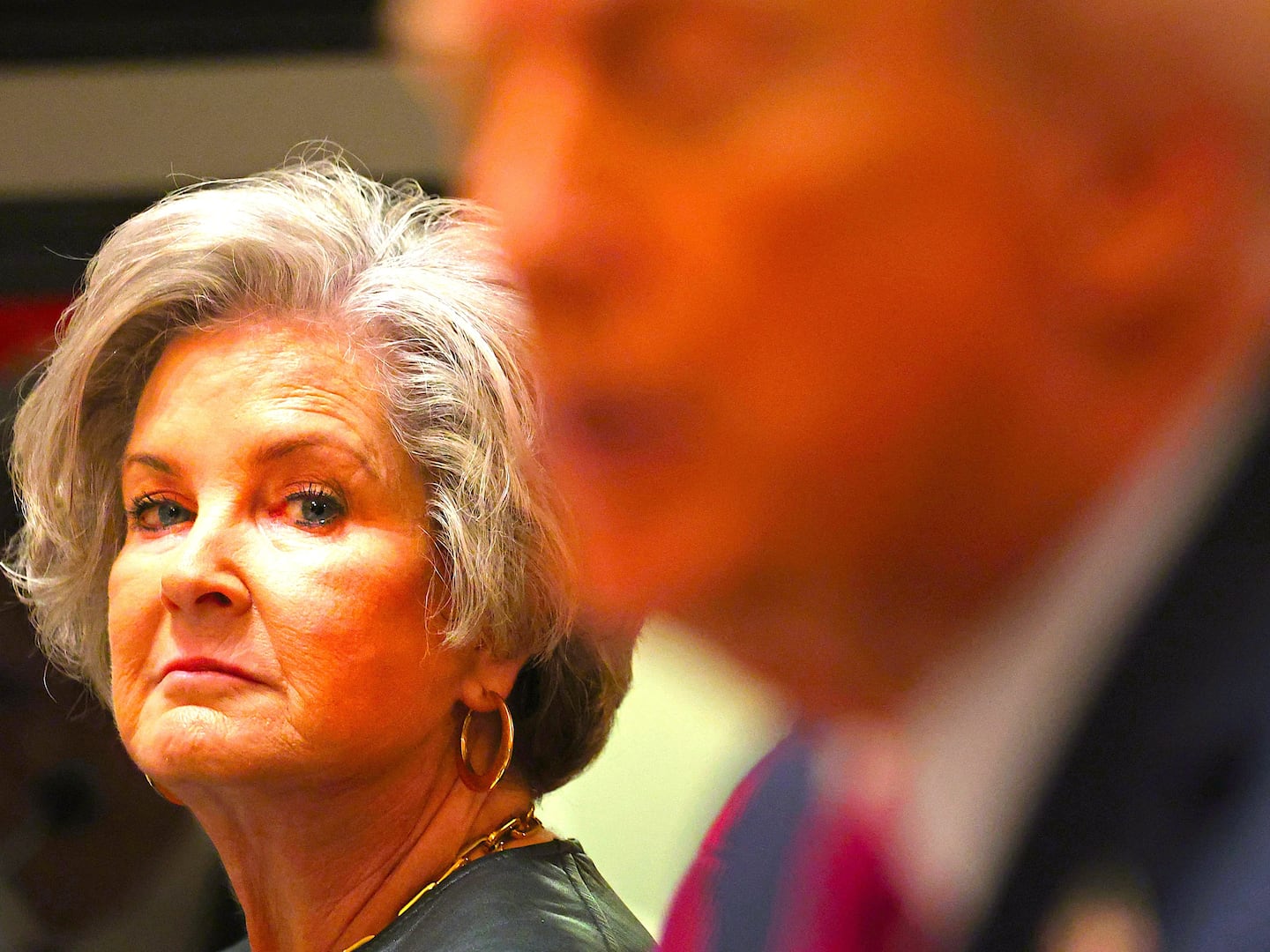
Anderson, who was born in Canada and raised in Texas, produced several memorable images: Rubio inexplicably staring at a lamp; Vance in an extreme close-up; Wiles with cartoonishly widened eyes and, of course, an unsettling shot of 28-year-old Leavitt’s face that revealed heavy makeup and apparently enhanced lips.
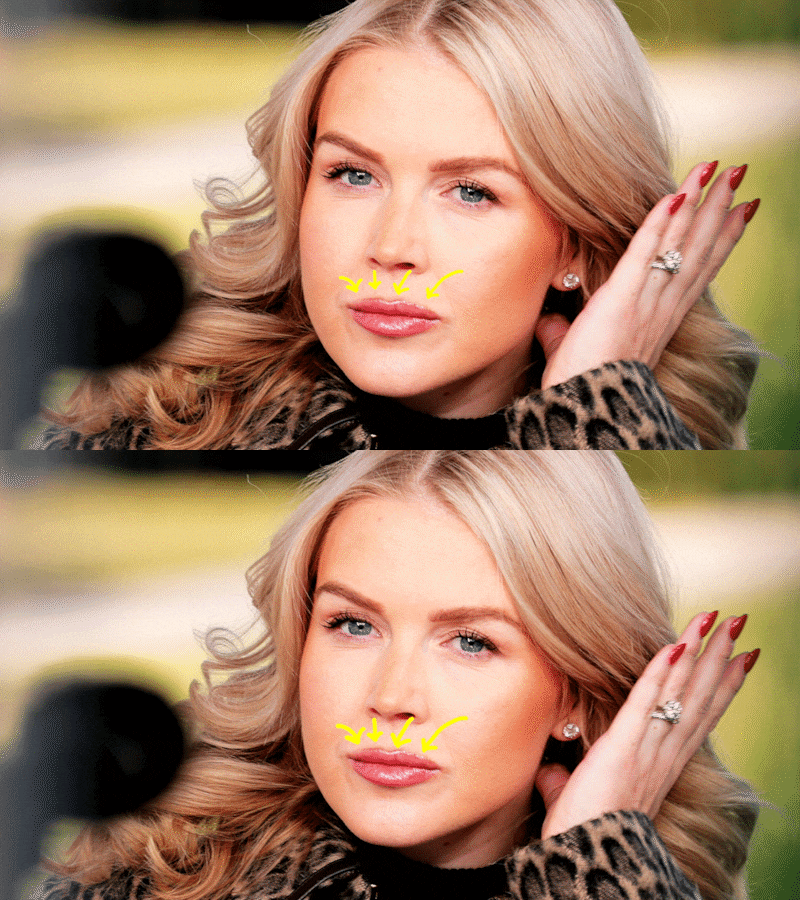
He risked Trump’s wrath with the latter, as the 79-year-old president is known to have an affinity for his press secretary’s mouth, which he has affectionally described as a “little machine gun.”
Anderson’s photo of Leavitt in particular has prompted criticism from some over its extreme detail, revealing marks along the edge of her lips that appear to suggest cosmetic enhancement. Anderson’s lens also picked up lines on her face that make her look beyond her years.
Some commentators have pointed to the snaps as evidence the article was a petty hit piece, particularly unfair to Leavitt for the aforementioned reasons.
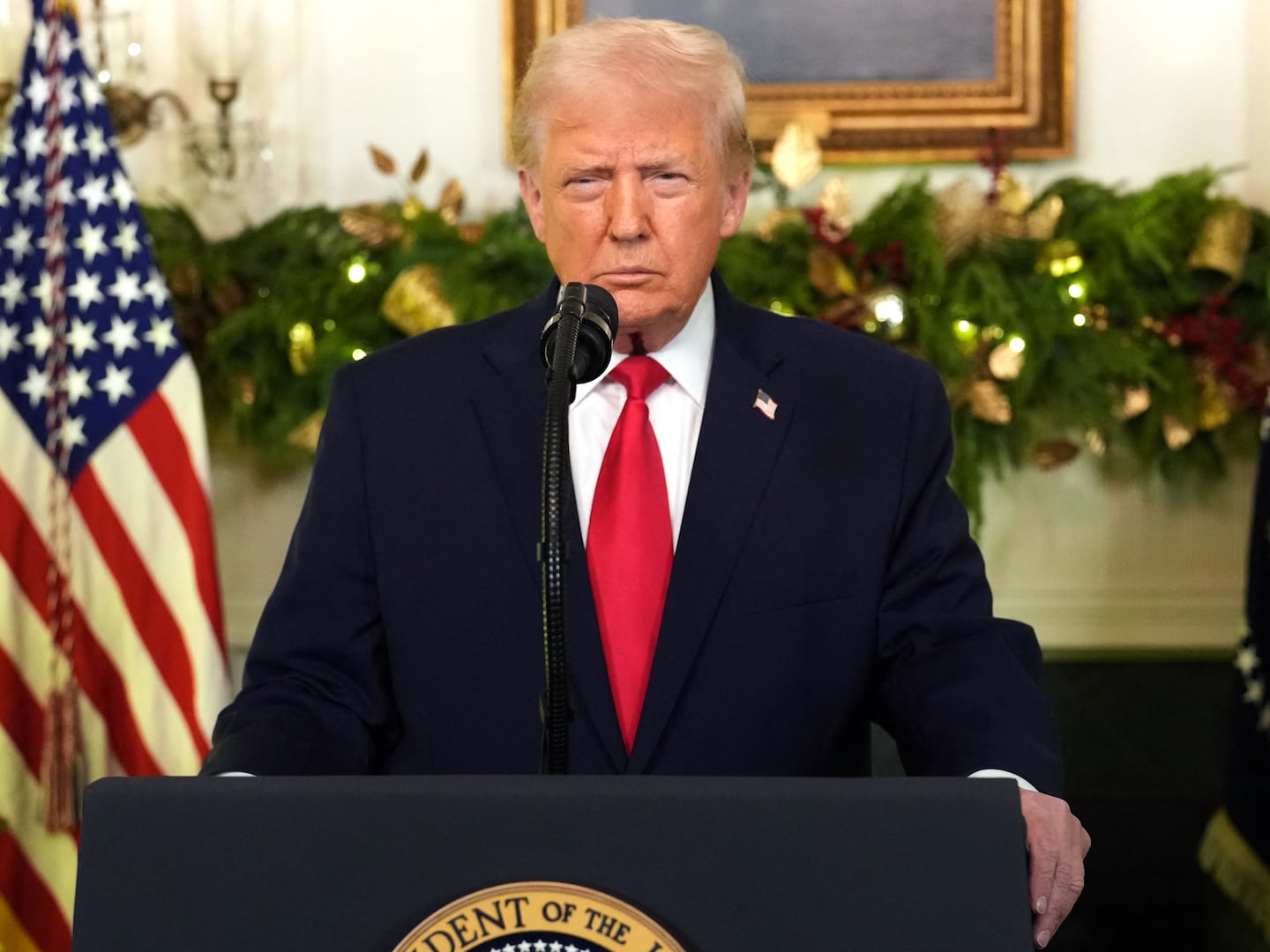
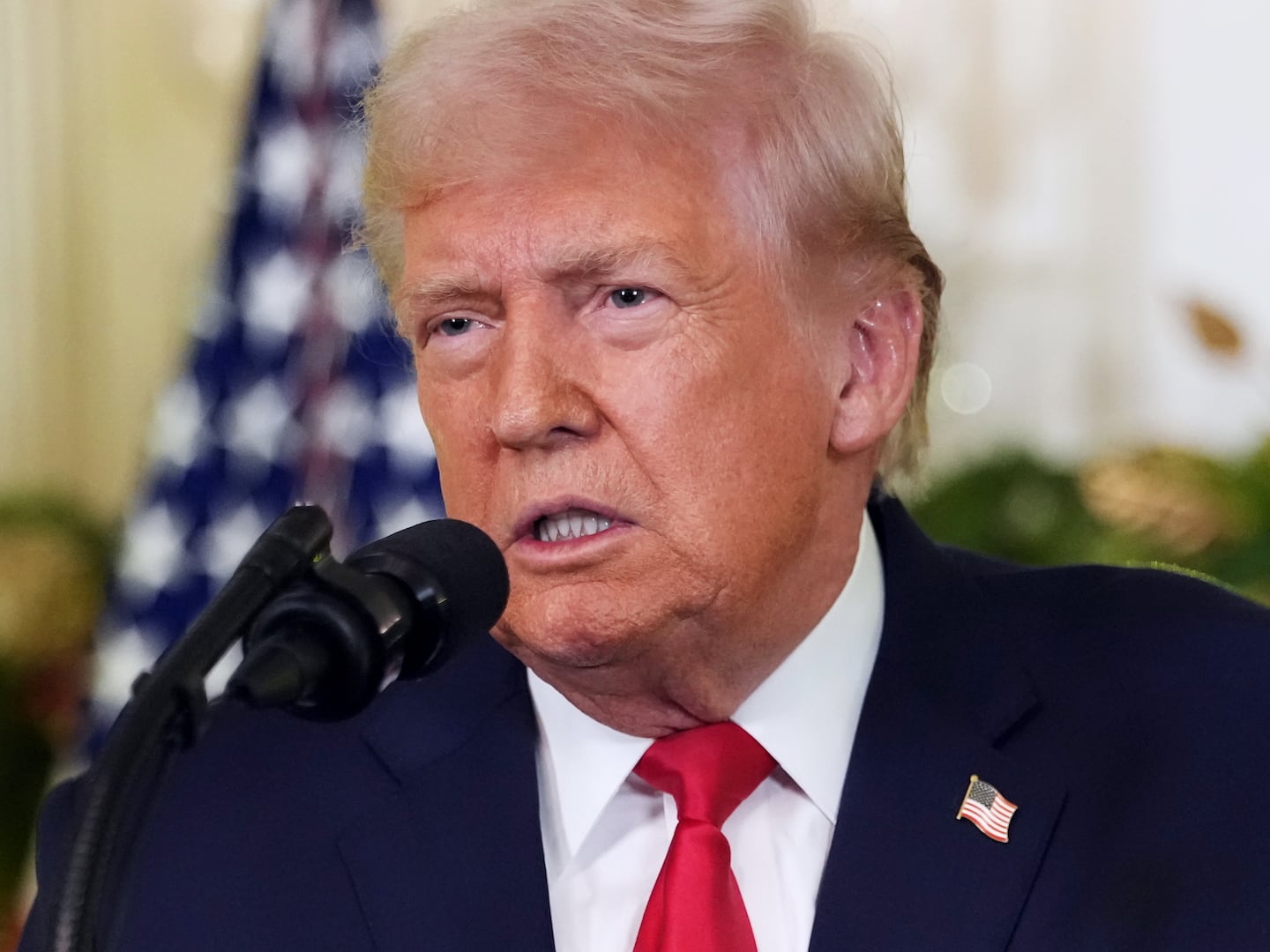
But detailed close-ups have been a feature of Anderson’s work for years. Former President Barack Obama got the same treatment, as did Trump for a New York Times Magazine cover during his first term.
“If presenting what I saw, unfiltered, is an attack, then what would you call it had I chosen to edit it and hide things about it, and make them look better than they look? And I would also repeat: This has been a fixture of my work for many years,” Anderson said.
“I’m surprised that a journalist would even need to ask me the question of ‘Why didn’t I retouch out the blemishes?’ Because if I had, that would be a lie. I would be hiding the truth of what I saw there.”
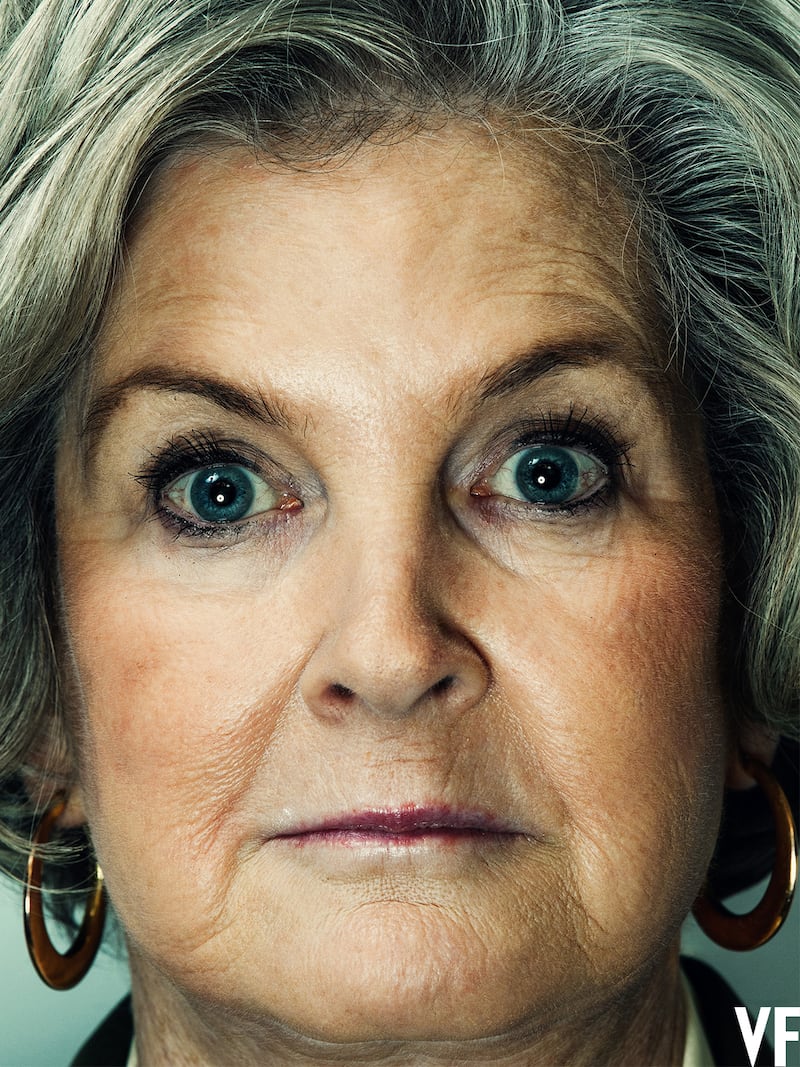
He added, “I go in not with the mission of making someone look good or bad. Whether anyone believes me or not, that is not what my objective is. I go in wanting to make an image that truthfully portrays what I witnessed at the moment that I had that encounter with the subject.”
Anderson said he finds it remarkable that “the internet is freaking out” because they saw something unfiltered, rather than filtered.
“Well, what can I say? That’s the makeup that she puts on, those are the injections she gave herself. If they show up in a photo, what do you want me to say?”