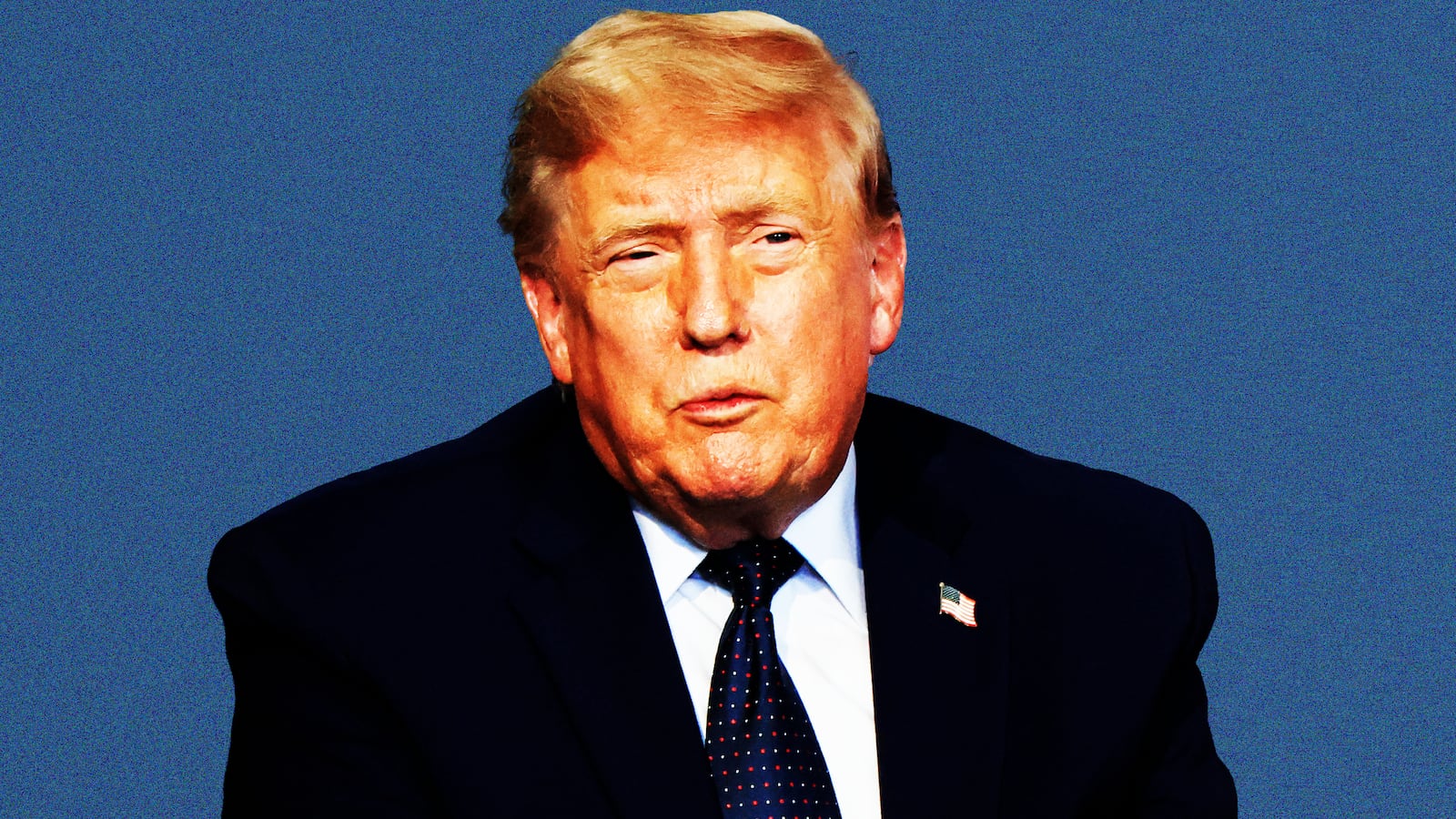
Donald Trump’s inner circle is divided on whether Iran will follow through on some of the details laid out in an outline peace deal, according to a report.
Ever since Trump launched strikes on Iran on Feb. 28, the president has said the main goal of his war is to prevent Iran from obtaining a nuclear weapon.

After a memorandum of understanding (MOU) was agreed to on Sunday—Trump’s 80th birthday—CIA Director John Ratcliffe warned him that evidence gathered by U.S. intelligence agencies suggests Tehran is not as willing to accept some of the nuclear concessions outlined in the proposal as the U.S. would hope, sources told Axios.
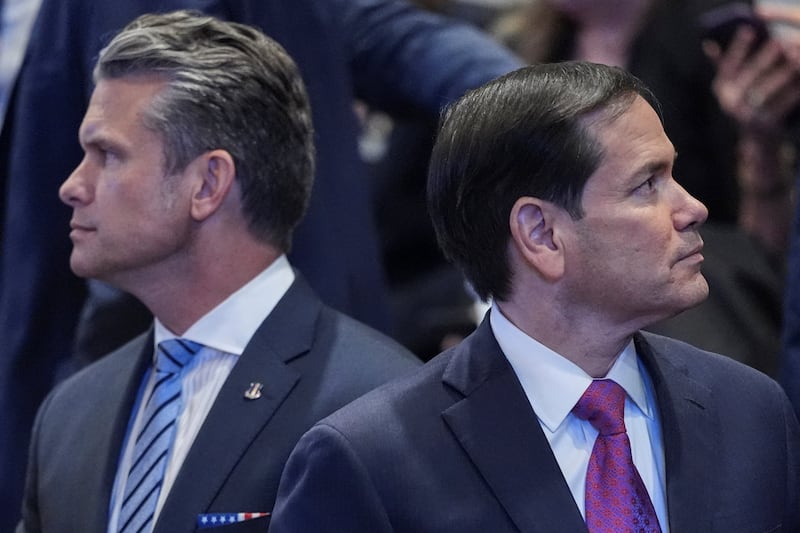
Secretary of State Marco Rubio and Secretary of Defense Pete Hegseth also expressed concerns about the MOU, while Vice President JD Vance and U.S. envoys Steve Witkoff and Jared Kushner—who is married to the president’s daughter, Ivanka—supported the peace deal, believing it will end Iran’s nuclear ambitions.
After several weeks of Trump insisting a peace deal would be agreed to “soon,” a tentative agreement was put in place to be formally signed on Friday.
While the deal has not been made public, it reportedly includes pledges from Iran to reopen the Strait of Hormuz and from the U.S. to end its naval blockade, as well as a $300 billion U.S. fund to help Tehran rebuild the country if certain conditions are met.
There will also be a 60-day extension of the current ceasefire, during which talks aimed at further detailing efforts to curb Iran’s nuclear ambitions will continue.
However, Trump and his advisers were told during a series of meetings leading up to the MOU that U.S. intelligence indicated the way Iranian officials were discussing the deal internally did not match what they were communicating to mediators and U.S. officials.
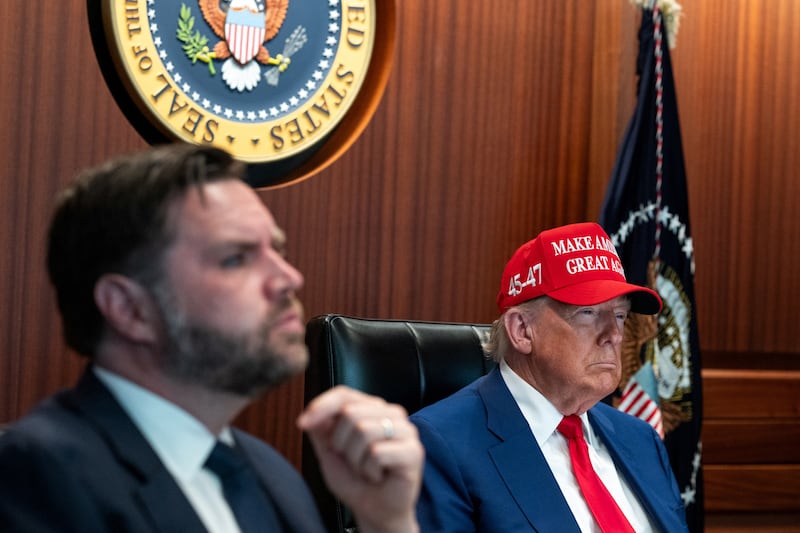
This intelligence spooked Ratcliffe and Rubio in particular, who now fear Tehran is unwilling to go as far as the U.S. wants regarding its nuclear commitments.
“The intelligence reflects that the Iranian intentions are not in line with their commitments under the deal,” a source told Axios.
Among the provisions in the MOU is a requirement that Iran reiterate that it will never obtain a nuclear weapon.
The agreement also demands that Tehran commit to resolving the “disposition of stockpiled enriched material” and “discuss the issue of future enrichment and other mutually agreed matters related to Iran’s nuclear needs based on a satisfactory framework being agreed upon in the final deal,” a source told Axios.

A senior U.S. official added that the U.S. will know within two to three weeks just how serious Iran is about making the nuclear concessions sought by Washington as part of the agreement.

In a statement, a White House spokesperson told the Daily Beast: “President Trump listens to all opinions on any given issue—but everyone understands he is the final decision maker.
“This MOU meets all of the redlines that the administration has long articulated by ensuring that Iran can never possess a nuclear weapon, they cannot keep their highly enriched uranium, and they cannot hold the world’s energy supply hostage.
“The president will only agree to a good deal for the American people, and both this MOU and a final agreement will ensure the short- and long-term safety and security of the United States.”