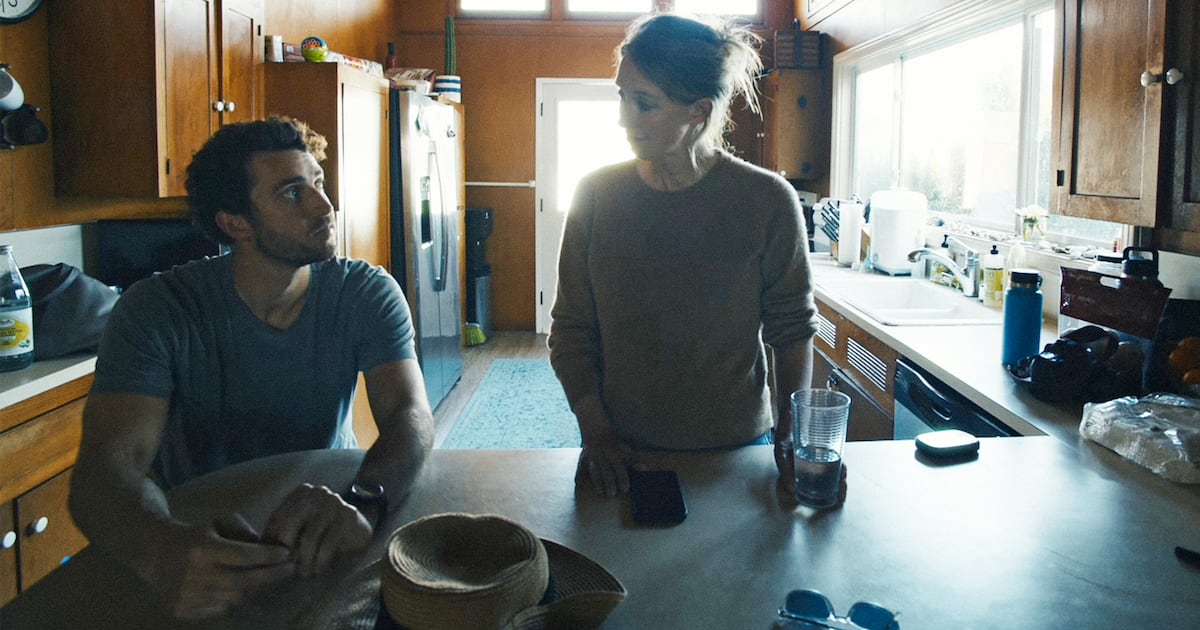

A specific, important detail was absent from Nathan Fielder’s buzzy documentary investigating Theranos fraudster Elizabeth Holmes: the nanny.
Reporter Amy Chozick wrote a bombshell profile of Holmes for The New York Times in 2023. She spent a day at the zoo with Holmes and her family in March. One month later, Fielder and his crew moved into Holmes’ San Diego rental house to film You Can See Everything, which premiered in October 2026.
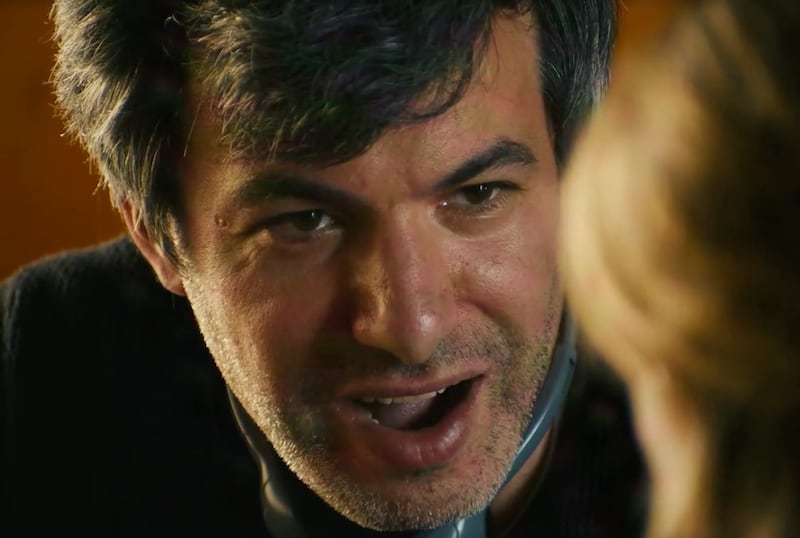
Chozick’s profile became a key thread in the documentary, with Holmes, Holmes’ partner Billy Evans, and Fielder all hyperanalyzing a specific quote from the site. It was “wild” for Chozick to watch Holmes and Evans read her words in the film. The question that kept surfacing was wilder still.
“I kept thinking: Where is the nanny?” she wrote in a New York Times opinion piece.
Chozick noticed that Vanessa, a Salvadorian woman she’d met while writing the profile “who was sometimes on hand to help care for their toddler and newborn,” was “nowhere to be seen” in the film.

“Without her, the couple comes off as harried multitasking parents, Ms. Holmes literally rocking the baby with one foot,” Chozick wrote.
The documentary follows Fielder as he lives with Holmes and Evans in the weeks leading up to her 11-year prison sentence, which the Federal Bureau of Prisons has since shortened by more than half. The couple has two young children. Chozick didn’t say whether she knew if Vanessa was still with the family while Fielder was filming. She also admitted she refused to appear on camera in the documentary when Fielder asked.

Chozick also defended the quote she included in the profile that Holmes contested, where Holmes says of actresses who would portray her on screen, “They’re not playing me. They’re playing a character I created.”
Holmes claimed in the documentary that she actually had said, “They’re playing a character they created.” Chozick said she reviewed her notes with editors and that the Times confirmed the quote was accurate.

Chozick also understands why Holmes and Evans wanted Fielder’s untapped observational presence. Access to the couple’s apparent mundanity was key to their redemption.
“Ms. Holmes and Mr. Evans seemed convinced that the longer you spend with them, in the cozy kitchen, playing with the kids, walking the dog on the beach, the more you’d be hypnotized, too,” Chozick said. “How could you not be? For them, access was a conduit to a type of exoneration. They are salespeople. Their humanity is what they now had to sell.”