The U.S. military has been forced into a humiliating climbdown over Defense Secretary Pete Hegseth’s flu vaccine rules after an outbreak at a U.S. Air Force base spread to affect at least 222 recruits.

Hegseth, 45, made the annual flu shot optional for troops in April, tearing up a requirement that had stood since 1945 in a move that broke with decades of public health guidance. Only about 40 percent of new trainees at Joint Base San Antonio in Texas had been jabbed when the outbreak took hold in early June, down from a previous rate of nearly 100 percent.

Now the Army, Navy, and Air Force have all quietly performed a U-turn, once again requiring flu shots for basic trainees, officials told ABC News, which first reported the worsening crisis. The Pentagon has granted the services formal exceptions to Hegseth’s own policy.

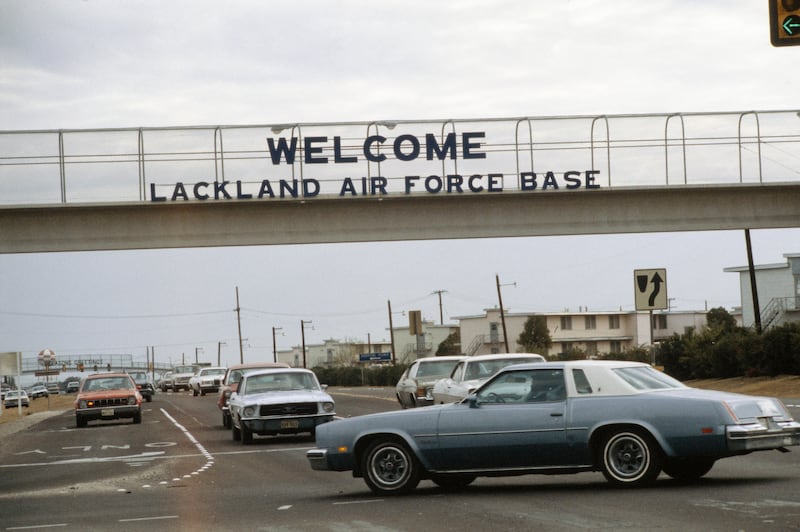
The numbers are getting worse by the day. As of Tuesday, at least 222 recruits at Lackland Air Force Base had been diagnosed with flu, and four had been hospitalized, two sources familiar with the matter told the network. That is up from 159 cases and two hospitalizations a week earlier.
One recruit has died. Keon McDaniel was in his sixth week of basic training when he suffered a medical emergency on June 12 and was rushed to Brooke Army Medical Center, where he died on June 16, according to the Air Force. The cause remains under investigation. It is not yet clear whether the death is linked to the outbreak.
Recruits are at particular risk. They live in tightly packed bays, shower communally and spend their days within arm’s reach of one another through drills and inspections—exhausted, stressed and crammed together in exactly the conditions where a respiratory virus can thrive.
Hegseth showed no such caution in April. “Our new policy is simple: If you, an American warrior entrusted to defend this nation, believe that the flu vaccine is in your best interest, then you are free to take it; you should. But we will not force you,” he said, branding the old mandate “overly broad and not rational.”
Rep. Joaquin Castro, 51, whose Texas district covers about half of San Antonio, including Lackland, was scathing. “After Secretary Hegseth scrapped the military’s flu vaccine mandate, it was only a matter of time before an outbreak occurred,” he wrote on X. “It was a reckless decision that put troops in harm’s way and undermined our military readiness.”
The Army is now preparing to further broaden the requirement in the coming weeks—to include troops deploying overseas, first responders, child care workers, healthcare staff, prison workers, and soldiers on large-scale exercises, a spokesperson said.
The Daily Beast has contacted the Department of Defense for comment.
In a statement, spokesman Sean Parnell confirmed that the undersecretary for personnel and readiness had signed off on exceptions for the Army, Navy, Air Force, National Security Agency and Defense Health Agency, following what he called “thorough risk assessments” designed to “maximize operational readiness, lethality, and force generation, while safeguarding at-risk populations.” He insisted the Pentagon “remains committed to the health and readiness of our warfighters.”
An Air Force spokesperson said the 37th Training Wing had spent three weeks battling the “localized influenza outbreak” alongside the 59th Medical Wing, isolating and treating sick trainees with antivirals such as Tamiflu and monitoring those who had been in close contact. Recruits return to training once medics clear them.