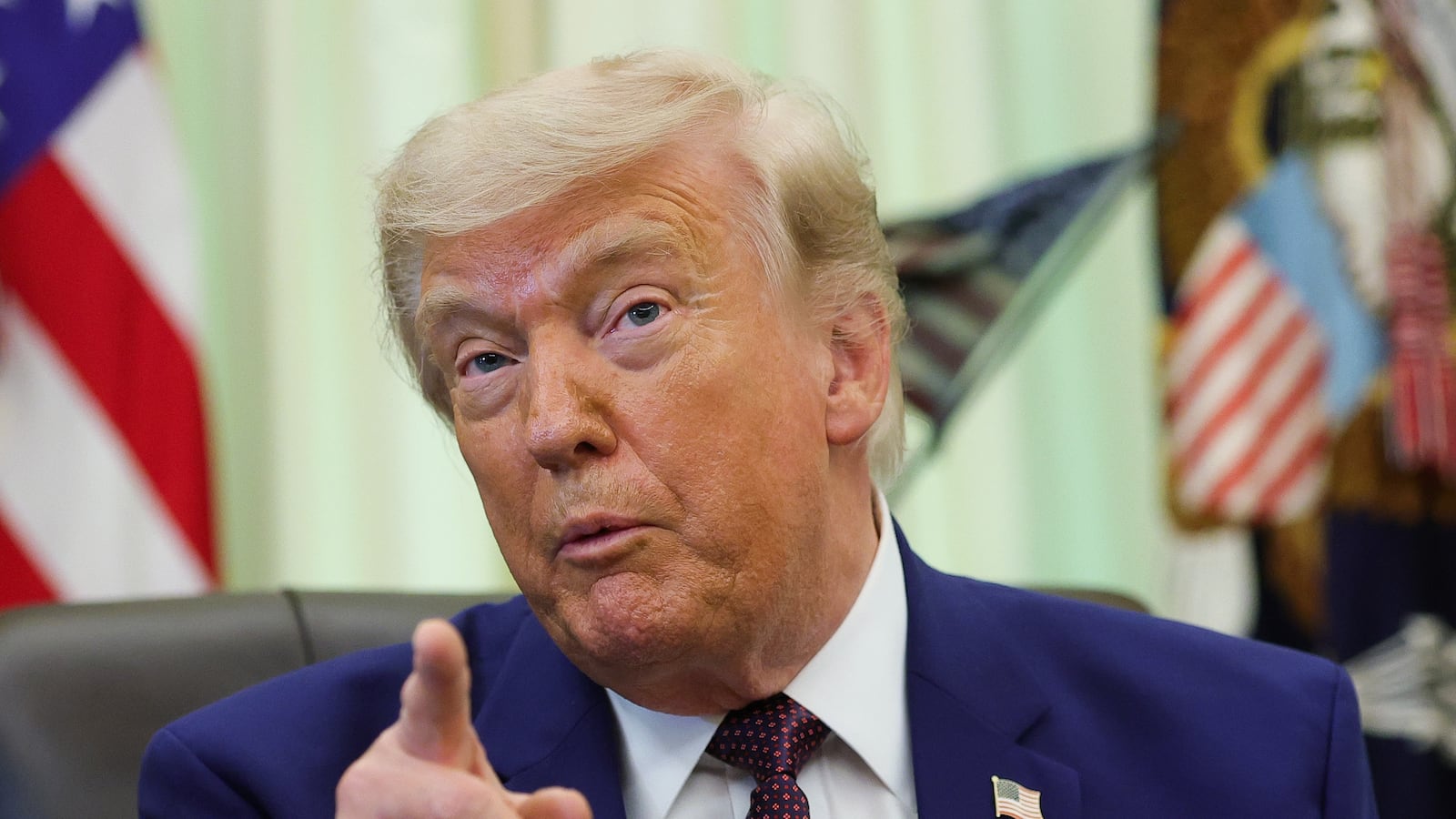
President Donald Trump is facing a stark warning sign on the state of the U.S. economy, as a new poll finds a majority of Americans now believe the American Dream is slipping out of reach.
According to a CNBC/SurveyMonkey American Dream Pulse Survey of 4,130 U.S. adults conducted May 6–11, 51 percent say the American Dream is now out of reach for most people.
According to the poll, 45 percent say it is achievable only for some, while just 6 percent believe it remains within reach for everyone.
The American Dream is rooted in the Declaration of Independence and is the idea that anyone, regardless of their background, can achieve upward mobility, success, and prosperity through hard work, determination, and initiative.
The poll’s findings add to a broader pattern of declining optimism that scholars say has been building for decades.

Americans today are “less likely to believe the American economy is meritocratic, that it is fair, that it delivers economic success to a typical hardworking person, [and] that lower-income people can work their way up” than people in previous decades, Elizabeth Suhay, a political scientist at American University, told CNBC.
Suhay added that rising costs and stagnant opportunity are reshaping perceptions of mobility, as Americans increasingly question whether hard work alone is enough to guarantee financial stability.
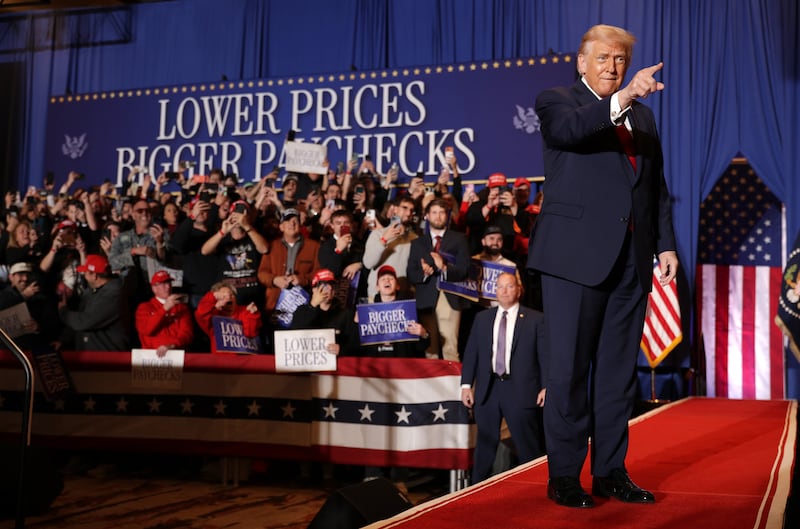
It comes at a time when polls show that voters feel very negatively about the economy amid Trump’s deeply unpopular war in Iran, which has seen gas prices spike.
The national average price for regular gas climbed above $4.50 a gallon, according to AAA. In seven states, the average price of gasoline has exceeded $5 per gallon.
At the same time, inflation climbed to 3.8 percent in April, marking its highest level in almost three years, despite Trump campaigning on lowering inflation.
Amid the financial turmoil, a recent Reuters/Ipsos poll found 70 percent of Americans disapprove of Trump’s handling of the cost of living, compared with 22 percent who approve.
In the CNBC survey, roughly four in five respondents said the cost of living is a major obstacle to achieving the American Dream, while about three in five pointed to housing costs. Nearly half cited healthcare expenses, and many also blamed low wages.
“The American Dream depends on what you earn, and also how much things cost,” Suhay said. “All of this feeds into the increasing pessimism about whether the American Dream is available to most Americans.”

White House spokesman Davis Ingle said Trump has taken “significant action to improve housing affordability,” citing an executive order blocking large Wall Street firms from buying single-family homes, a directive for Fannie Mae and Freddie Mac to purchase $200 billion in mortgage bonds to help lower rates, and efforts to reduce regulations to speed construction and expand housing supply.
Ingle added that Trump “will not stop fighting” until homeownership is “within reach for every American.”
“The President will not stop fighting until the American Dream of homeownership is within reach for every American, and he continues to sign bold new executive orders and calls on Congress to pass further legislation. The Trump Administration will never stop working to streamline regulations and expand housing affordability for all Americans,” Ingle said.
But the broader financial anxiety facing Americans is clearly reflected in the polling.
An Edward Jones and Gallup survey found that roughly one-third of Americans describe themselves as financially stressed.
A separate Marist poll found that 70 percent of Americans say the cost of living in their area is not very or not at all affordable.