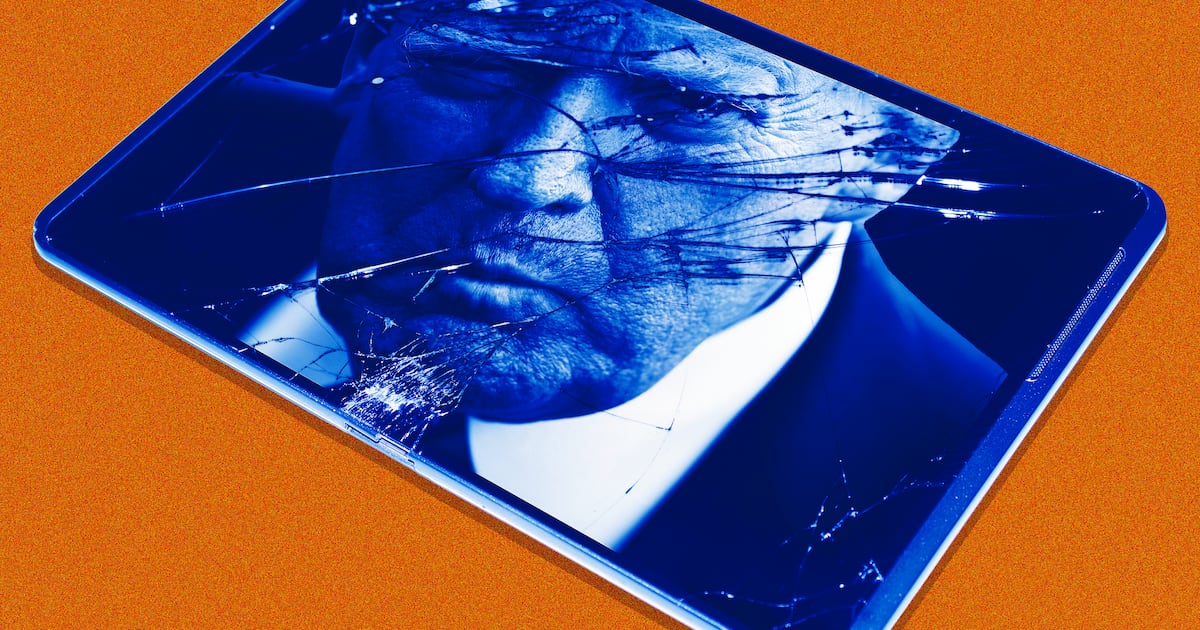
Donald Trump got so angry about a minor tech issue that kept him from talking on a group call with world leaders that he hurled his tablet across the Oval Office.
The incident is alleged to have taken place during French President Emmanuel Macron’s visit to the White House last February, just weeks into Trump’s second term. The two leaders used the device to patch into a call led by Canada’s then-prime minister, Justin Trudeau.

Trump, annoyed at finding himself unable to speak on the call, “lobbed the device over the Resolute Desk and onto the floor,” The Wall Street Journal reported on Sunday, citing an official who was present at the time.
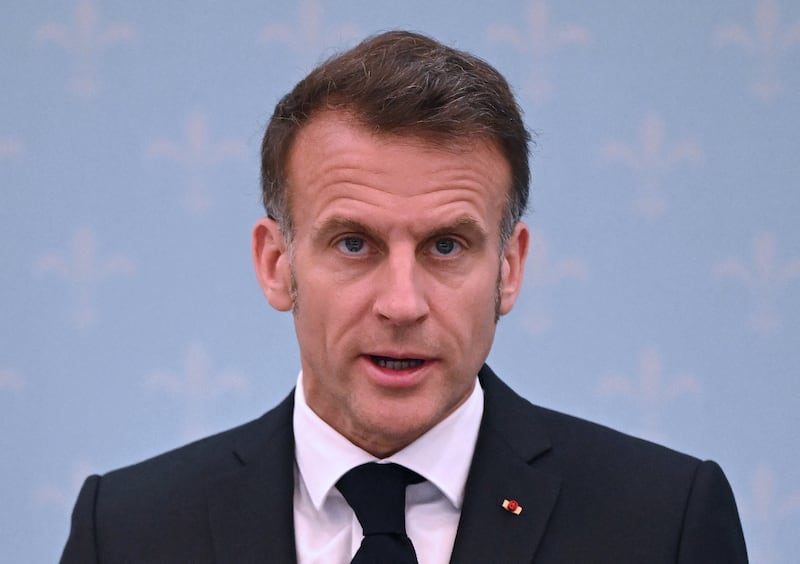
Trump’s temper tantrum forms just one episode of an explosive new exposé by the newspaper on how European leaders have scrambled to keep an increasingly unpredictable U.S. president onside since he retook the White House last year.
Trump’s increasingly erratic behavior on the world stage has dragged Washington’s closest alliances toward breaking point in the 18 months since he reclaimed power. Things came to a head this January, when close to 30 European heads of government met for a fraught midnight session in Brussels to plot a future free from security and economic dependence on the U.S.
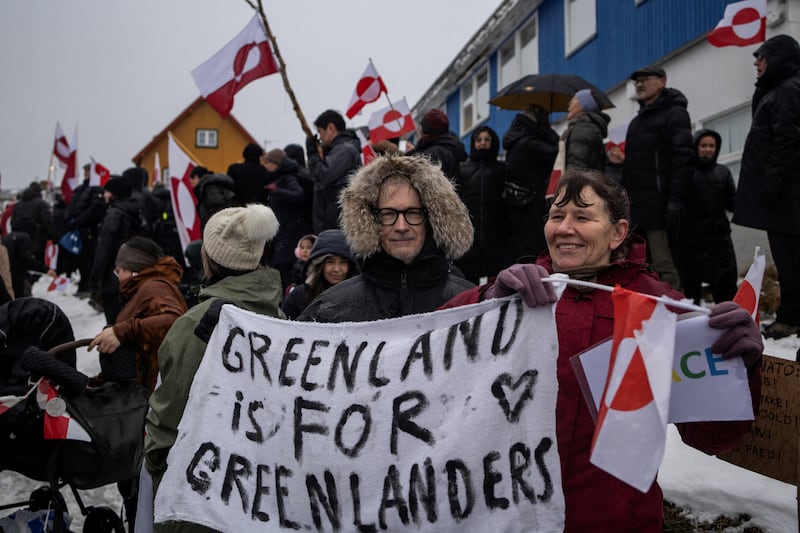
The covert summit followed days of brinkmanship over Trump’s musings about prising Greenland, an autonomous territory of NATO member Denmark, out of Danish hands by force. One guest likened the meeting to group therapy, a source with knowledge of the exchange told the Journal.
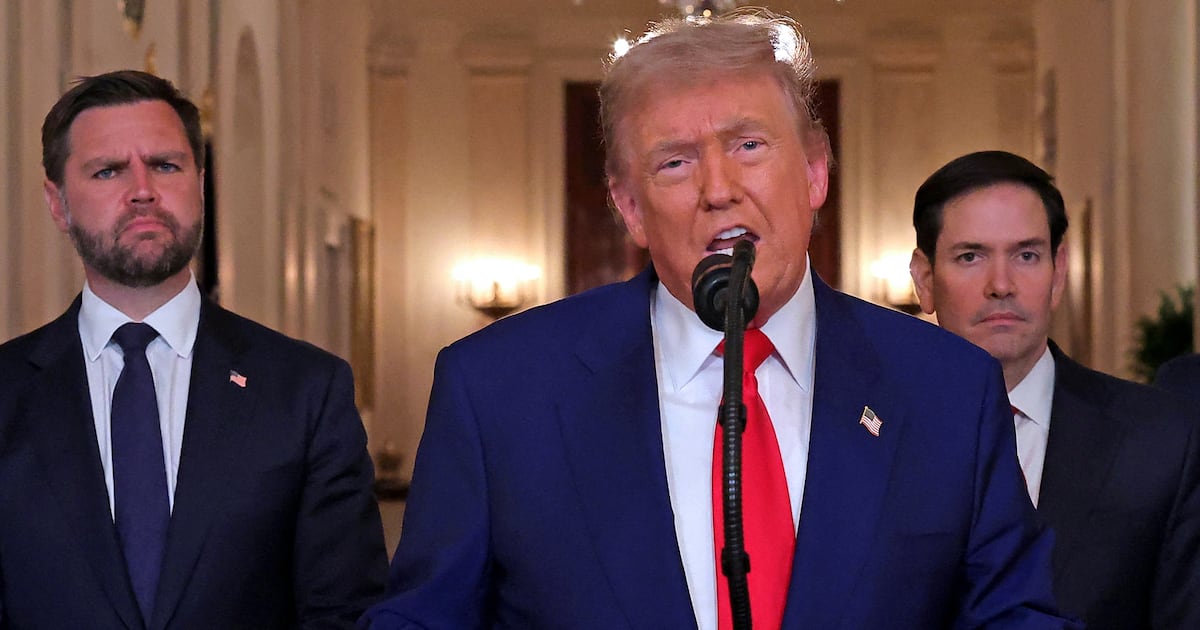
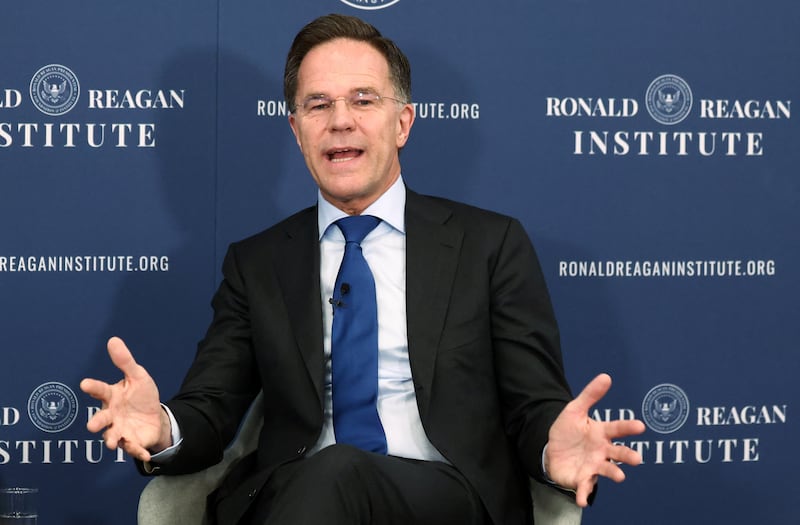
NATO chief Mark Rutte—who has referred to Trump as “daddy” in an attempt to curry favor—has largely spearheaded the effort to keep Trump sweet, the Journal reports. He has leaned heavily on flattery, mirroring Trump’s clipped, capitalized texting style to such an extent that his fellow leaders have even jokingly described him “as an actor who never broke character.”
That charm offensive began almost the moment Trump was sworn in. Rutte pressed jittery counterparts, at a Brussels lunch last February, to just hand the president a win, according to the Journal. His advice was to dress up a jump in defense spending as a Trump victory. One by one, leaders filed into the White House clutching talking points thrashed out on group calls, all to dodge a public bust-up.

Others choreographed their outreach in near-comic detail. Finland’s president and Norway’s prime minister are even understood to have traded notes on how to word their texts to Trump—down to which phrase to write in capitals, the Journal writes.
Norway’s leader, Jonas Gahr Støre, has at times had his Finnish neighbor, Alexander Stubb, hit send on messages instead, cautious that name-checking his own country might retrigger Trump after the president’s resounding failure to secure himself last year’s Nobel Peace Prize.
The tiptoeing has seeped into policy too. European Commission chief Ursula von der Leyen, after Trump bristled at her pushing to punish Moscow over Vladimir Putin’s war on Ukraine, has taken to publicly recasting sanctions as tariffs. Allies have similarly relabeled their Ukraine ceasefire plans as a push to end the “bloodshed,” mirroring Trump’s own words on the conflict.
When Friedrich Merz arrived in Washington as Germany’s new chancellor last June, Trump ushered him into a side room adjoining the Oval Office packed with MAGA gear—red caps and Florsheim shoe boxes—that he’d nicknamed the Lewinsky room, according to the report. He told his German guests to take what they liked, joking that their wives could flog the lot for thousands of dollars.
The sweet-talking worked for a while. But by late last summer, after a group trip to Washington to plead Ukraine’s case fell flat, British intelligence had already concluded the flattery was buying less and less—comparing Trump’s hold on the White House to something between a medieval court and the Salem witch trials.
The Daily Beast contacted the White House for comment. Spokesperson Anna Kelly said Trump “has effectively restored America’s standing on the world stage” and that he “has done more for NATO than anyone else.”
She added that the president “has been clear that Europe must take greater responsibility for its own conventional defense,” and that he looks forward to this week’s NATO summit in Turkey, “where he will have constructive and frank conversations with many world leaders.”